
Does a Smart Toilet Need a Special Outlet?
Yes, a smart toilet needs electricity, and almost every bathroom is missing the outlet for it. The good news: it is a normal outlet, not a special one. Here is what you need to know.
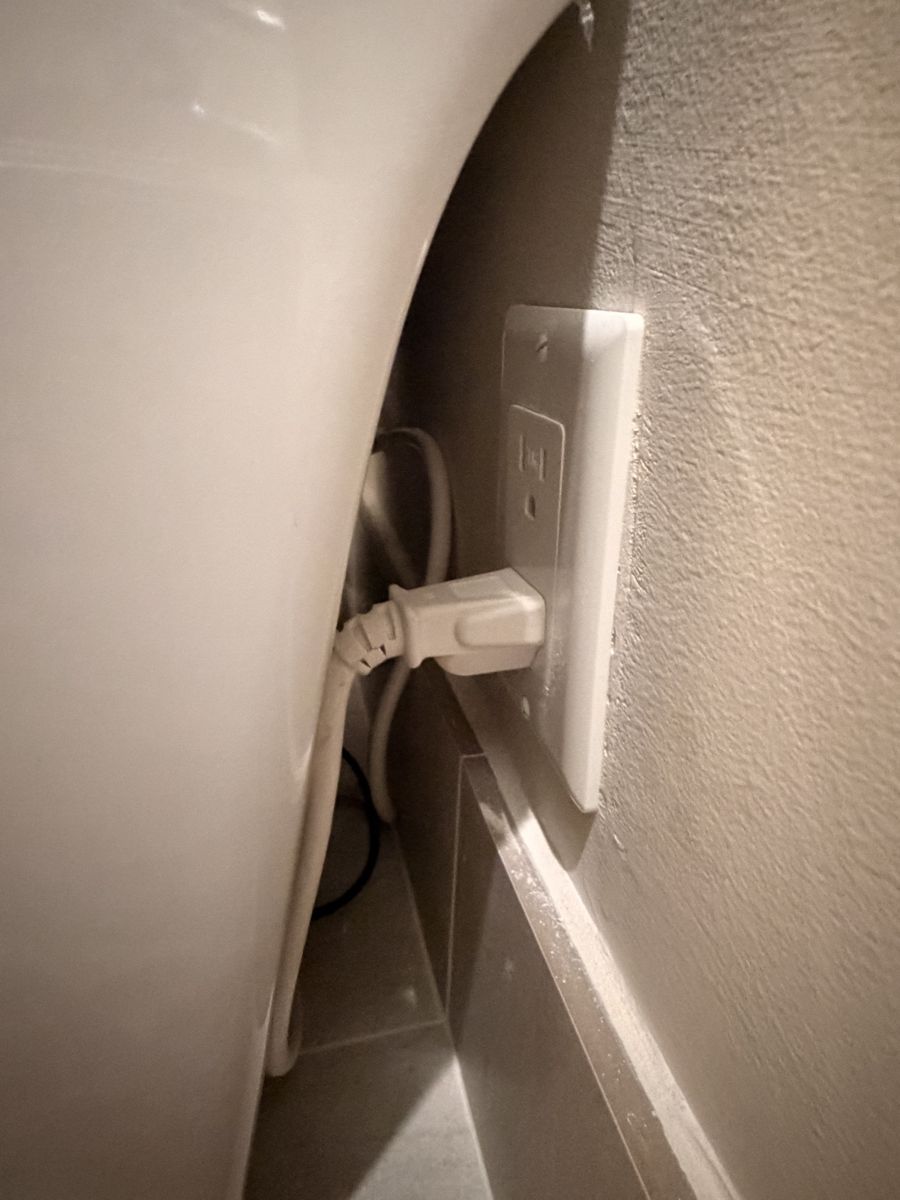
What kind of power does it use?
The DeerValley smart toilets we install run on standard 120-volt power and come with a regular three-prong plug. There is no special voltage and no need for a new circuit in most homes.
Why it has to be a GFCI outlet
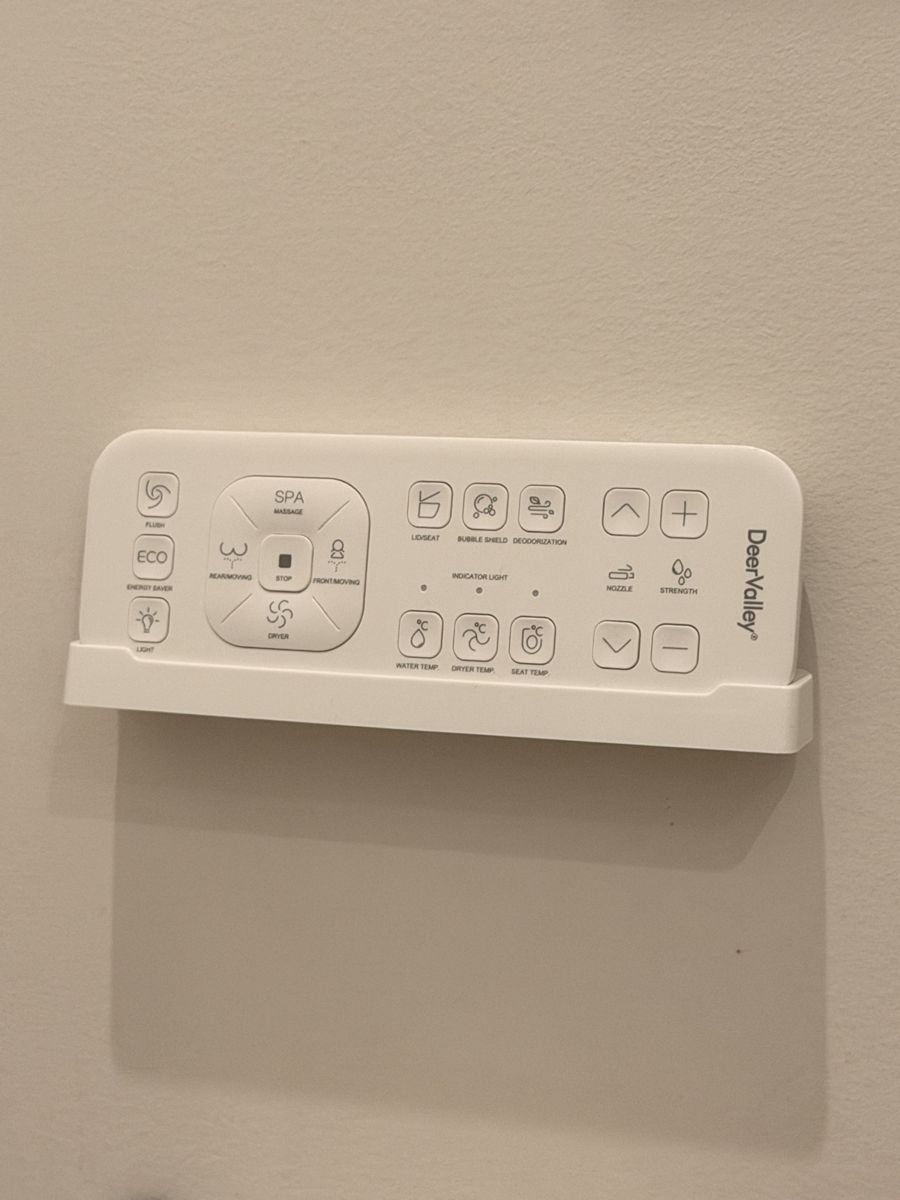
A GFCI (ground-fault circuit interrupter) outlet cuts the power in a fraction of a second if electricity starts leaking, for example through water. Bathroom outlets are required to have GFCI protection. Since a smart toilet sits next to water and has a heated seat and a wash, this is the safe way to power it.
Why most bathrooms need a new outlet
Bathroom outlets are usually by the sink, not behind the toilet. The outlet needs to be within reach of the toilet's power cord, and an extension cord next to a toilet is a bad idea. So in most bathrooms an electrician adds a new GFCI outlet on the wall beside the toilet. That means opening the wall, running the wire and then patching and painting.
What happens during a power outage?
Every smart toilet in our catalog can still flush without electricity, using a side knob or button. The heated seat and the wash stop until the power comes back.
Is the outlet included?
In our installed price, yes: the new GFCI outlet, the electrician and the wall patch and paint touch-up are all included. If you buy only the toilet, plan for an outlet before installation day.
Compare smart toilets, installed with a new GFCI outlet →More guides
- How Much Does Smart Toilet Installation Cost in South Florida?
- 10-Inch vs 12-Inch Rough-In: How to Measure Before You Buy a Smart Toilet
- Smart Toilets for Kids: Auto Flush, Heated Seat and a Lid That Closes Itself
- Bidet Toilet, Bidet Seat or Smart Toilet: Which One Should You Get?
- Heated Toilet Seat: How It Works and What It Takes to Install
- Tankless Toilet: Pros, Cons and What to Check Before You Buy